
Energy Efficiency as a Core Selling Point for Industrial Control Products

In recent years, energy efficiency has emerged as a critical differentiator in the industrial automation sector. With rising energy costs, stricter environmental regulations, and the global push toward sustainability, manufacturers are increasingly prioritizing energy-efficient solutions. Industrial control products-such as variable frequency drives (VFDs), smart sensors, and energy management systems-are now being designed with energy optimization as a key feature.
The Growing Demand for Energy-Efficient Industrial Solutions
Cost Savings: Industrial facilities consume a significant portion of global energy. VFDs, for example, can reduce motor energy consumption by 20-60% by adjusting speed to match demand.
- Regulatory Pressure: Governments worldwide are enforcing stricter energy standards (e.g., EU's Ecodesign Directive, China's GB standards), pushing industries to adopt efficient technologies.
- **Corporate Sustainability Goals**: Companies are committing to net-zero emissions, making energy-efficient automation a strategic investment.
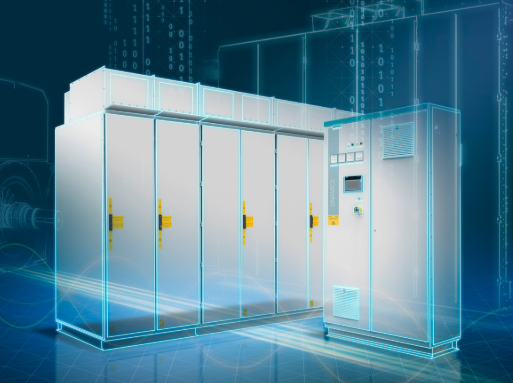
2. Key Energy-Efficient Industrial Control Products
A. Variable Frequency Drives (VFDs)
Function: Optimize motor speed to match load requirements, reducing wasted energy.
Innovations: AI-driven predictive tuning, regenerative braking, and integration with energy monitoring platforms.
Leading Brands: Siemens (Sinamics), ABB (ACS880), Schneider (Altivar).
B. Smart Sensors & IoT-Enabled Monitoring
- Real-Time Energy Tracking: Smart sensors measure power consumption, temperature, and vibration, enabling predictive maintenance.
- Edge Analytics: Local data processing reduces latency and optimizes energy use without cloud dependency.
- Examples: Emerson's wireless vibration sensors, Honeywell's connected thermal sensors.

3. Market Trends & Future Outlook
- IIoT Integration: Energy-efficient devices are increasingly connected to Industrial IoT networks for centralized control.
- Renewable Energy Synergy: Smart inverters and energy storage systems are being integrated with industrial automation for greener operations.
- Growth Projections: The global market for energy-efficient industrial automation is expected to exceed $50 billion by 2027 (MarketsandMarkets).
Energy efficiency is no longer just a compliance requirement-it's a competitive advantage. Industrial control manufacturers are innovating rapidly, embedding energy-saving capabilities into VFDs, sensors, and management systems. As industries strive for sustainability, energy-efficient automation will remain a core selling point, driving both economic and environmental benefits.